Queen's Baja: Making Race Car Parts Strong Using Simulation
Project at a glance
- Redesigned Baja SAE wheel hubs using SolidWorks and finite element analysis.
- Reduced mass by 7% while adapting the design to material with 3.75 times lower yield strength.
- Prepared five iterations for practical manufacturing on a 5-axis CNC mill.
As part of the vehicle-dynamics subteam for the Queen’s University Baja SAE team, I optimized the previous wheel-hub design using finite element analysis (FEA). The new design reduced mass by 7% despite using a material with 3.75 times lower yield strength than the previous year.
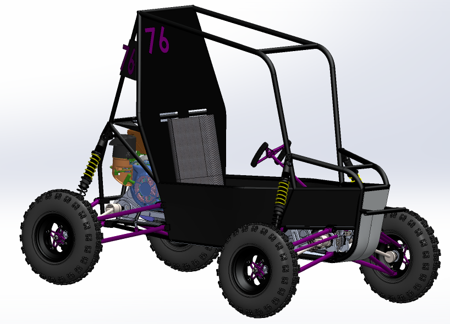
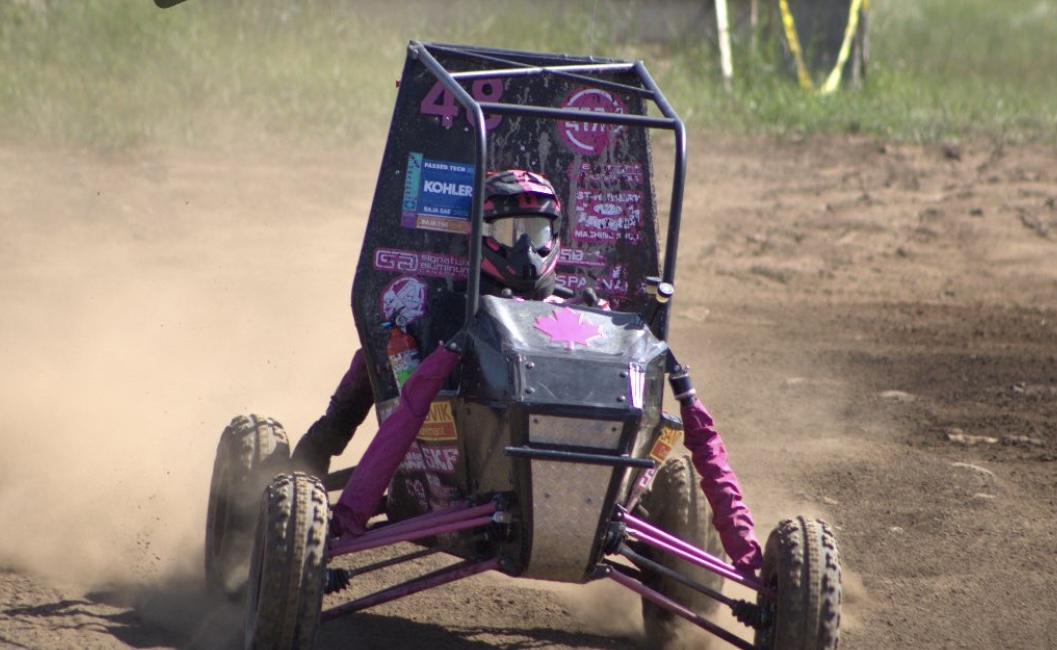 Queen’s ‘22-‘23 BAJA Race Car at competition at OktoBajafest in Clarkson, NY
Experience, Learning & Skills
Experience:
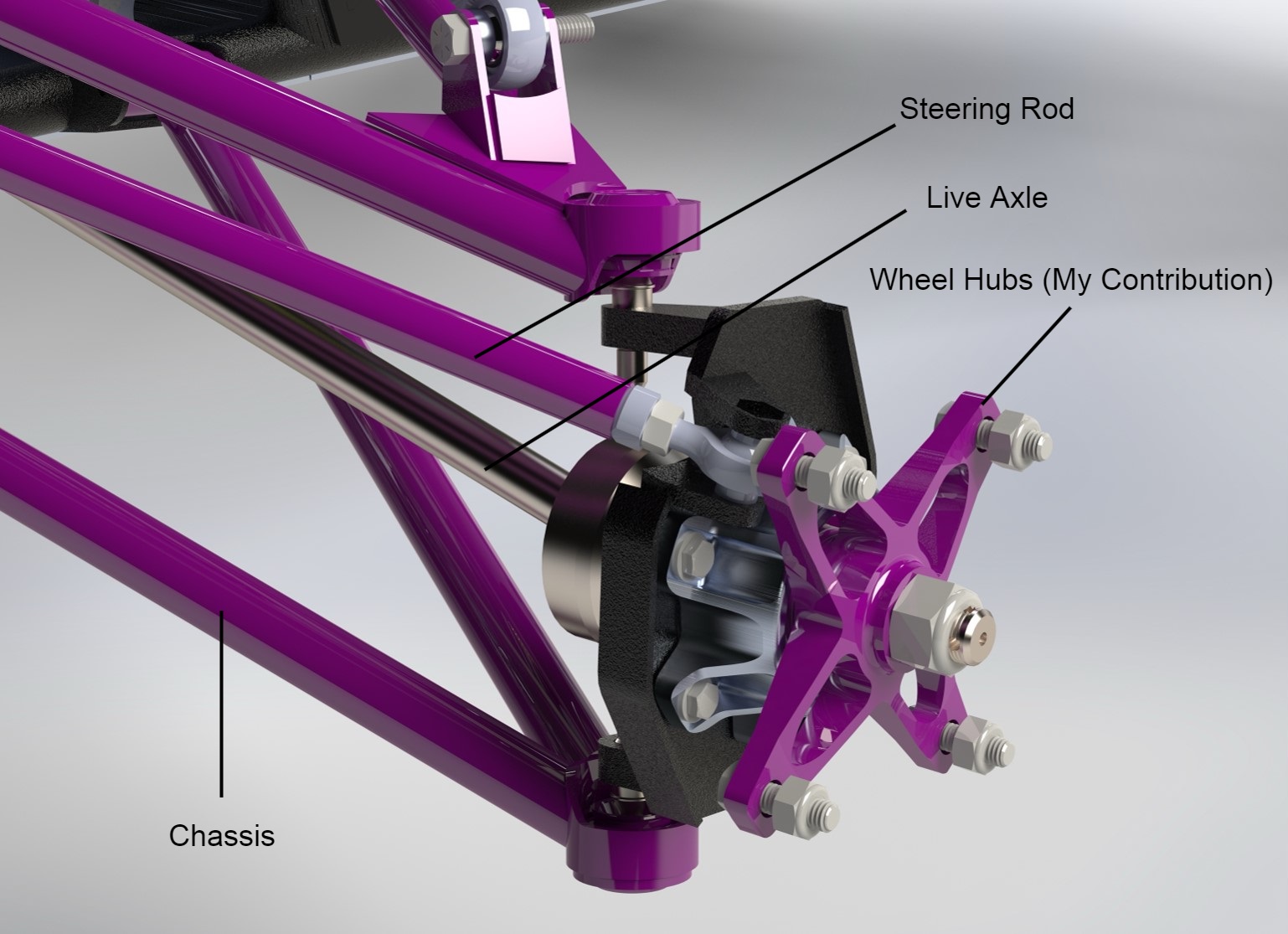
- I designed and simulated the wheel hubs for the 2022–2023 Baja racer and prepared them for manufacturing. I collaborated with 10 other engineering students as a part of the Queen’s Baja vehicle-dynamics subteam.
Skills:
- I developed skills in SolidWorks and SolidCAM during the design and simulation phases. In particular, I learned to set up FEA for structural validation and ensure the parts could be manufactured using CNC machining.
Lessons:
-
Manufacturing matters. A structurally and spatially feasible design is not necessarily practical. Considering the manufacturing process from the beginning prevents time being spent on parts that cannot be produced.
-
Learn from people. I was fortunate to be mentored by Manny, then a third-year mechanical-engineering student. He taught me a great deal about FEA and design optimization. The experience reinforced the importance of asking questions and learning from experienced teammates.
Motivation
Our team changed metal suppliers at the start of the year and lost access to the high-strength AerMet steel used previously (1,723 N/mm² yield strength). The available AISI 4130 steel had a yield strength of approximately 460 N/mm². Baja SAE performance depends on keeping the vehicle light and manoeuvrable, so we needed to adapt the old hubs to the weaker material without adding unnecessary mass.
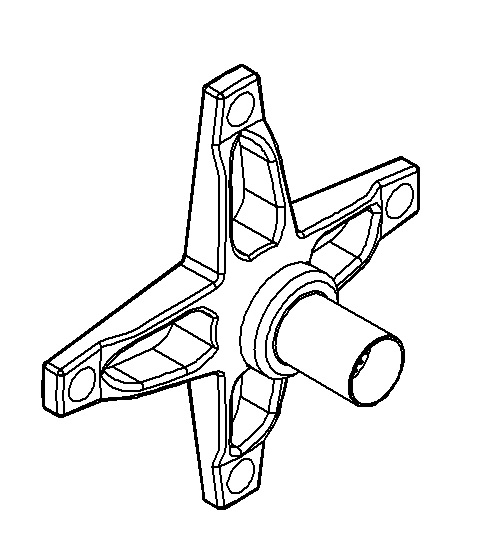
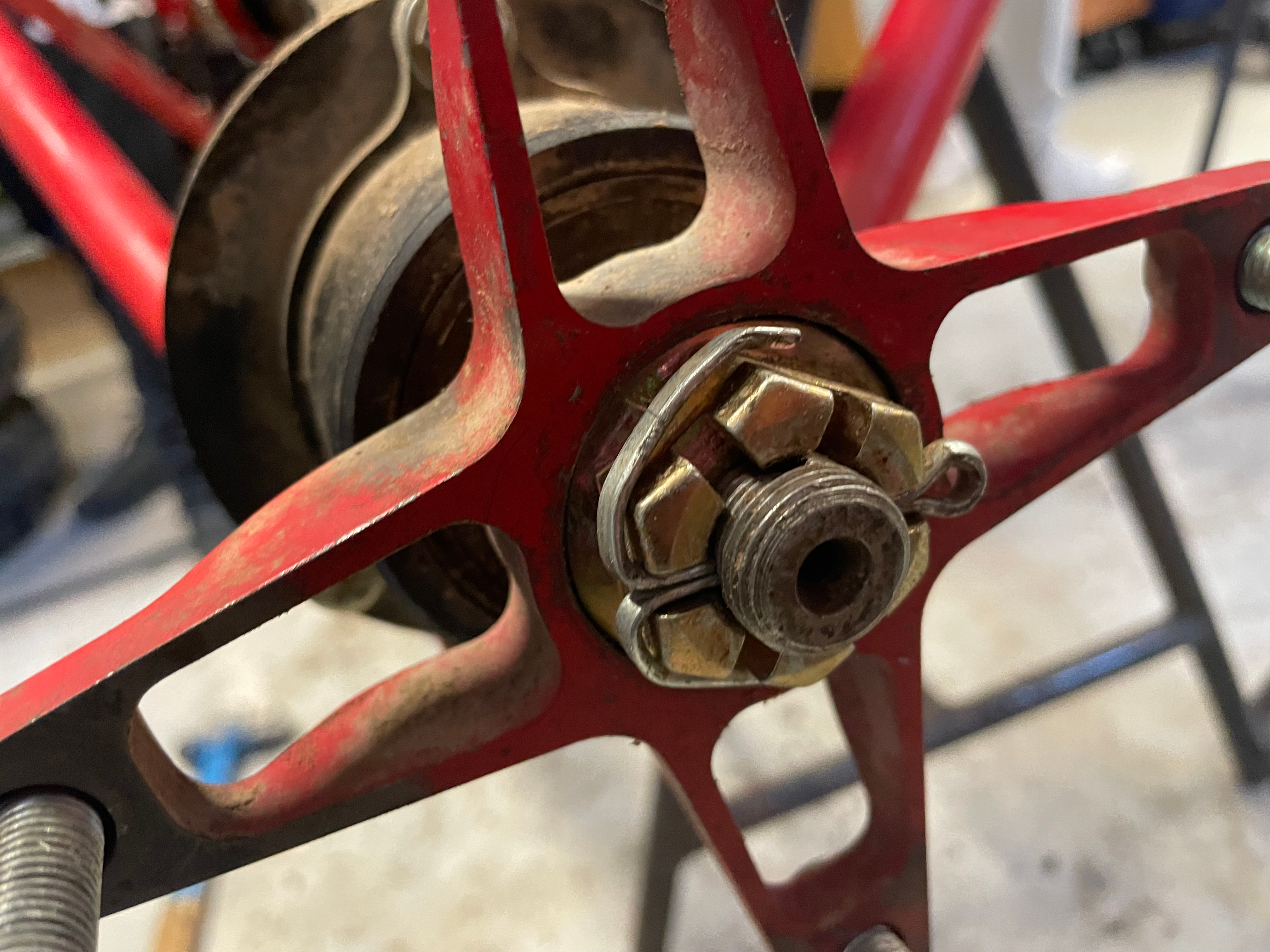
 The ‘21-‘22 wheel hubs, without the wheel attached
Technical Details
Because we had the previous year’s CAD model, the first step was to change its material from AerMet to AISI 4130 and run FEA. We based the loading conditions on this paper.
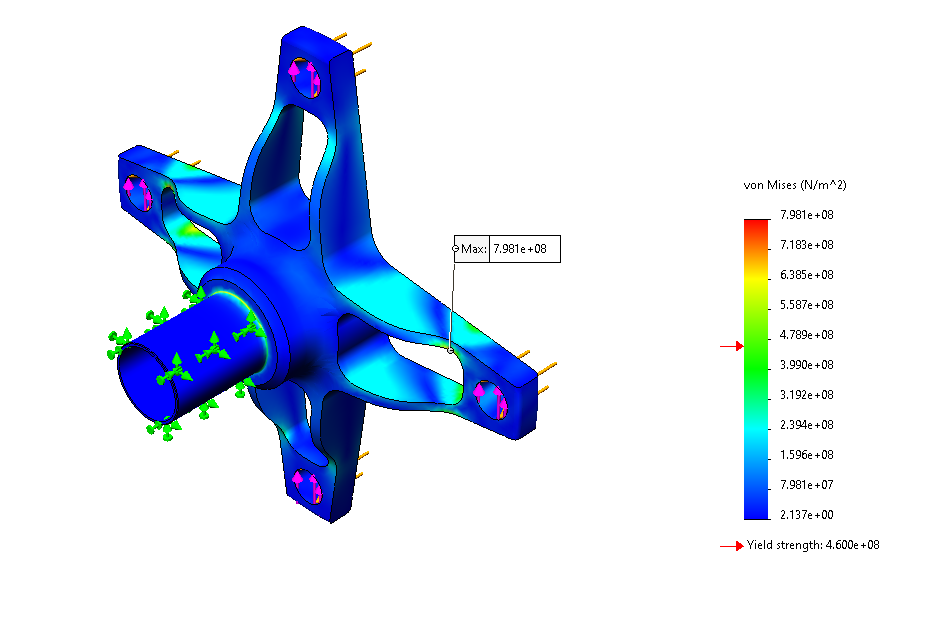
The result showed regions above the approximately 460 MPa yield strength of AISI 4130, indicating that the original geometry would deform permanently if remanufactured in the new material.
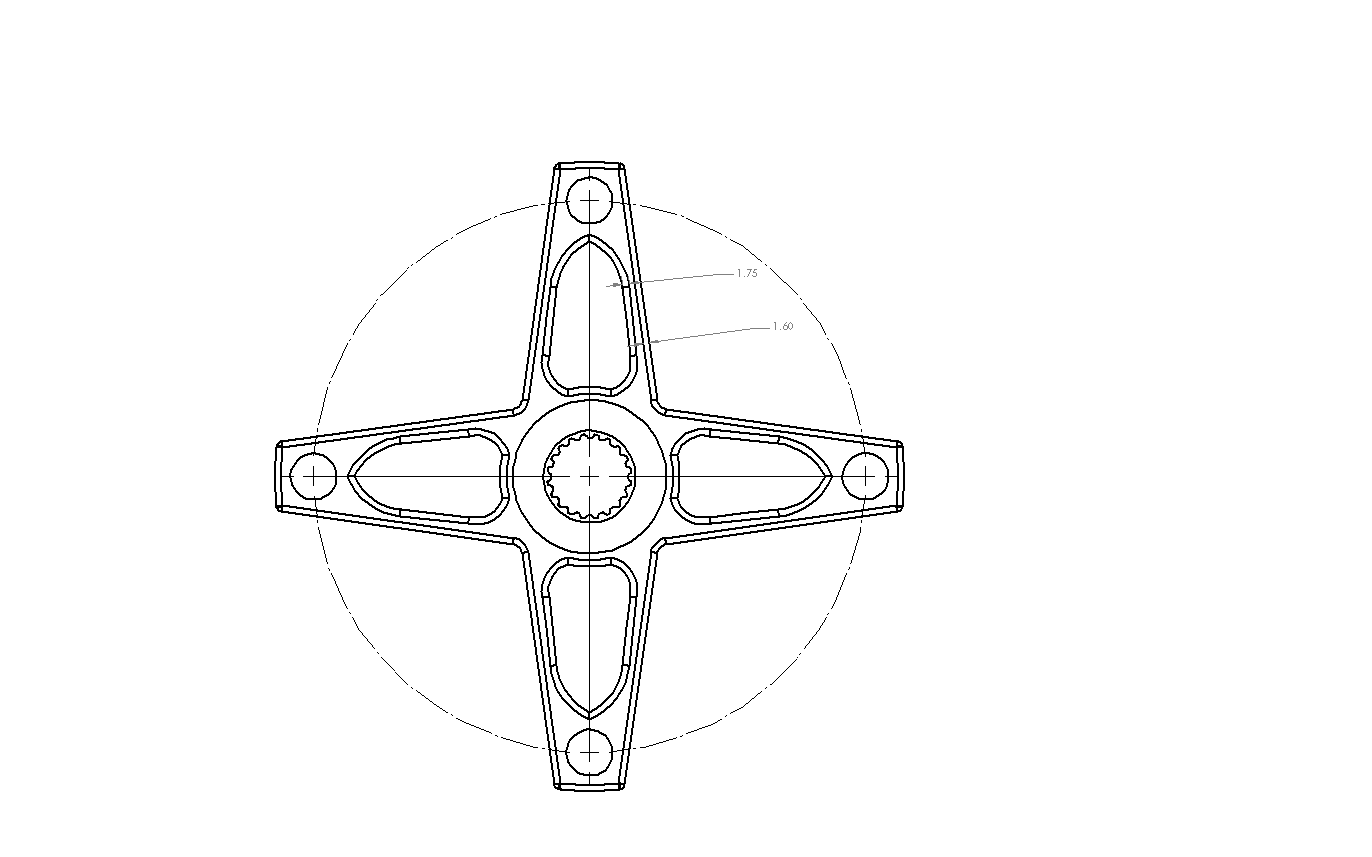
We retained the general form because it was already compatible with the wheel package, then iterated on the spoke geometry to reduce stress and mass.
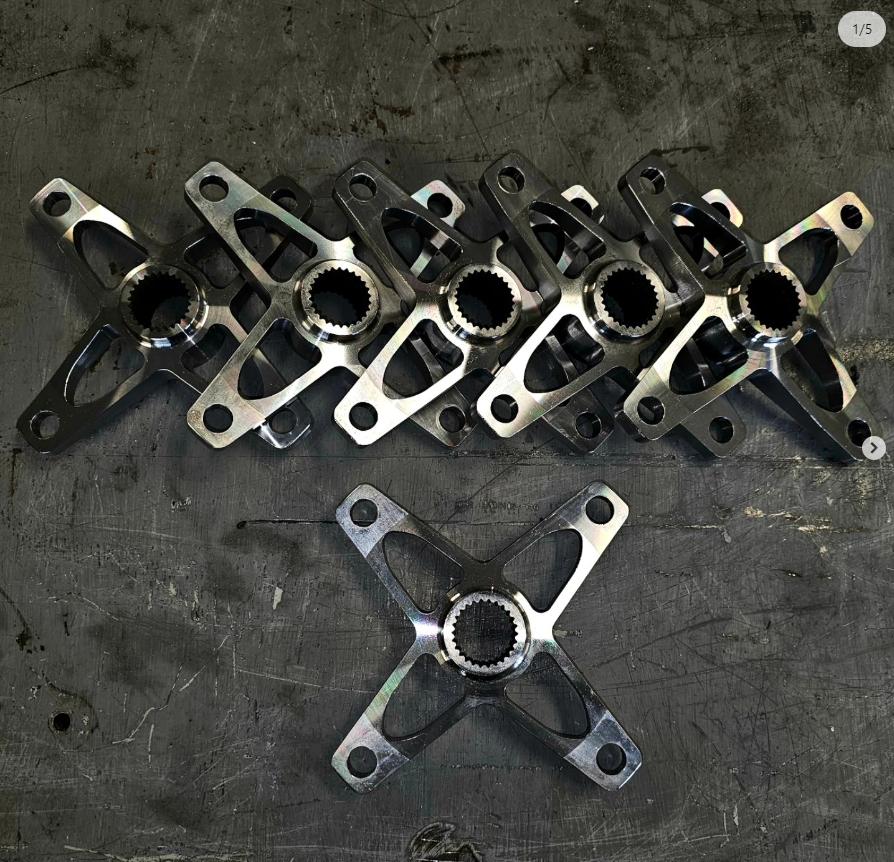
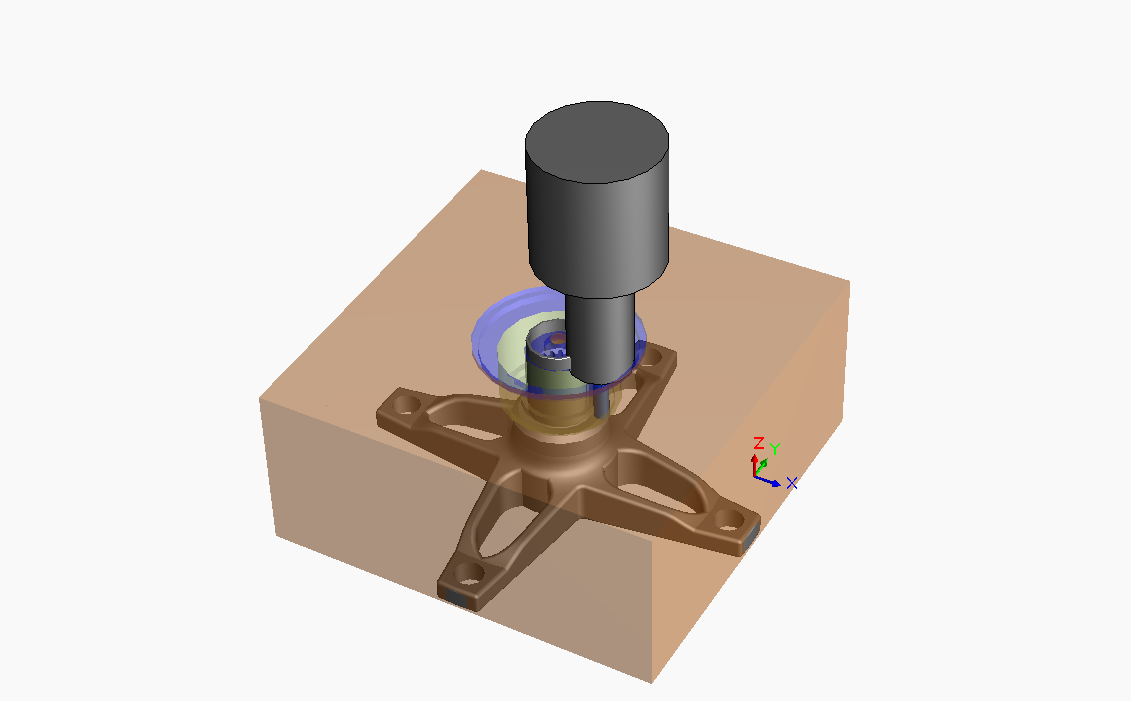 Five iterations reduced the overall mass by 60 g while preserving compatibility with the wheel package. We used SolidWorks CAM to ensure the hubs were manufacturable on an outsourced five-axis CNC mill.
The final changes are subtle, but the spoke profiles and cutouts differ from the original design.
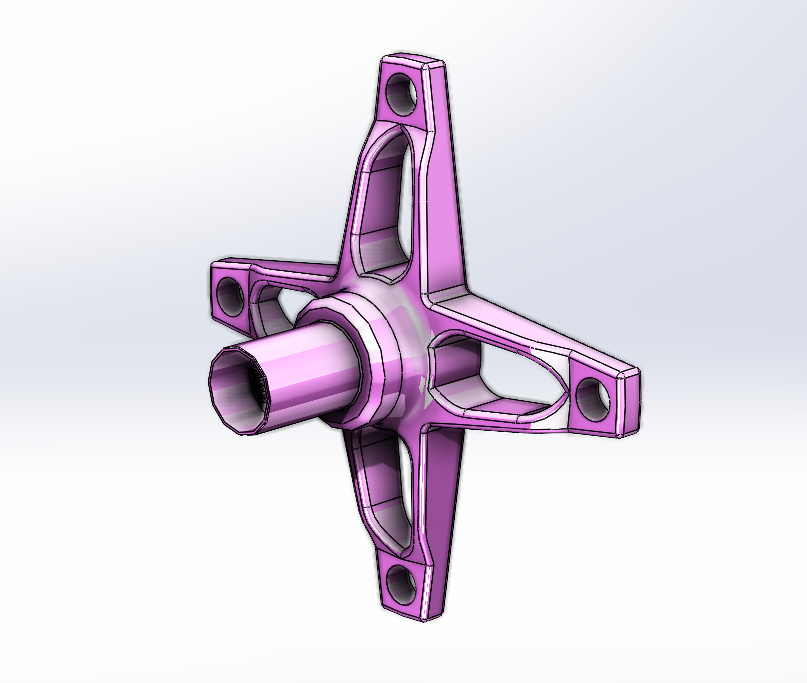
Budget constraints prevented manufacturing during the 2022–2023 season. After additional optimizations that I was not a part of, my teammates manufactured the hubs for the 2023–2024 season.